Tropical Fungus: Digital Futures & Brown Blindness
Green Blindness to Brown Blindness
Plant blindness is glancing at a patch of green and immediately categorizing it as a non-diverse whole. It's the tendency to overlook the "green" in landscapes. Not many of us can really stand in the middle of a forest and name flora so it follows that green/ plant blindness feeds into problems with allocation of importance in the arts & sciences.
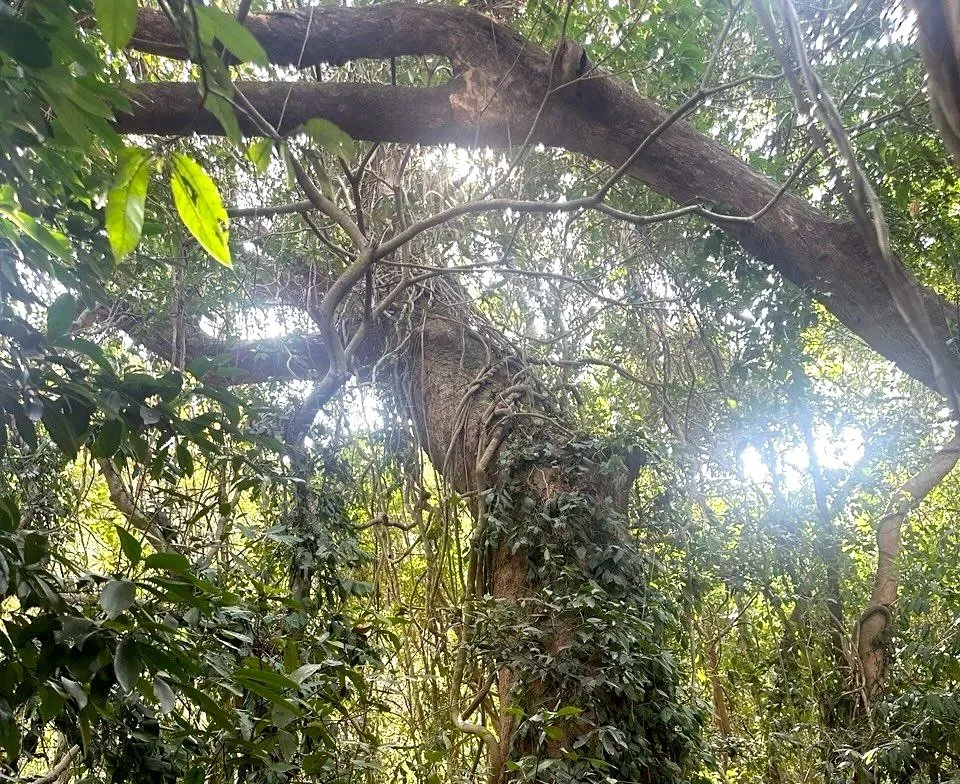
Camphor Tree (Cinnamomum camphora) in a Fung-Shui Wood in Lam Tsuen Valley, Tai Po District, Hong Kong SAR.
From a resource economics perspective, it's a bias that distorts how we perceive and manage plant-based assets; and that's not just food crops by the way, there's medicinal species and even climate-regulating vegetation like ficus in fung shui woodlands or mangroves in the Mai Po Marshes. When they're seen as just one whole patch of green, it takes away from diversity, it takes away from productivity; it leads to systematic underinvestment in conservation.
And to a certain extent, it takes away from a real understanding of beauty.
If plant blindness, with towering trees bathed in sunshine and interwoven canopies can be undervalued, then the hidden fungal networks beneath them are that much more easily overlooked. In Anna Tsing's The Mushroom at the End of the World, she argues that mushroom foraging is a part of a sort of 'patchy capitalism' that feeds off market externalities. Tsing uses matsuake mushrooms as an example of how foraged goods become inputs to global capital without standard investment in production.
It's a beautiful notion, that the mycorrhizzal networks beneath our feet that Sophie Strand describes as a Dionysan allegory, firms itself in the natural world, economics, and the classic mythologies. The question now is can we weave it all together? It's not particularly unheard of, but when put in a tropical context (pan-asian, southeast asian), I tend to place it in a brown box of sort and by brown I do mean the actual color brown of the fungus that I've seen on fieldwork or excavations.
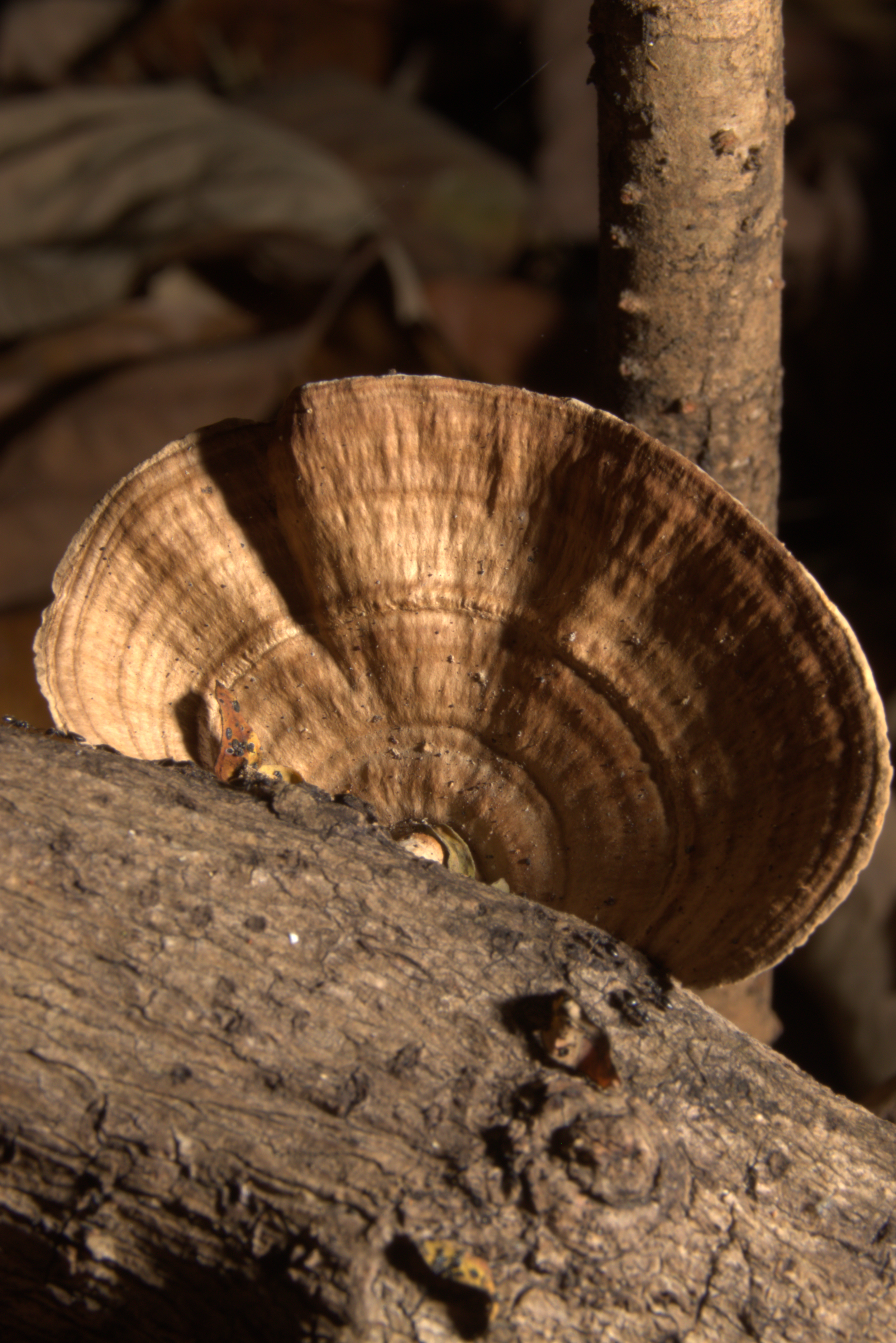
Brown Ganoderma (February, 2022)
I present 'brown blindness' here (an admittedly reductionist terms) to bolster tropical fungus color shades. After all, identification is the first step in empowerment. My mutldisiciplinary work has always been about world-building in a sense, trying to connect the technical; sensing patterns, and creation. So here I'll be trying to catalogue proper color values from tropical fungus samples.
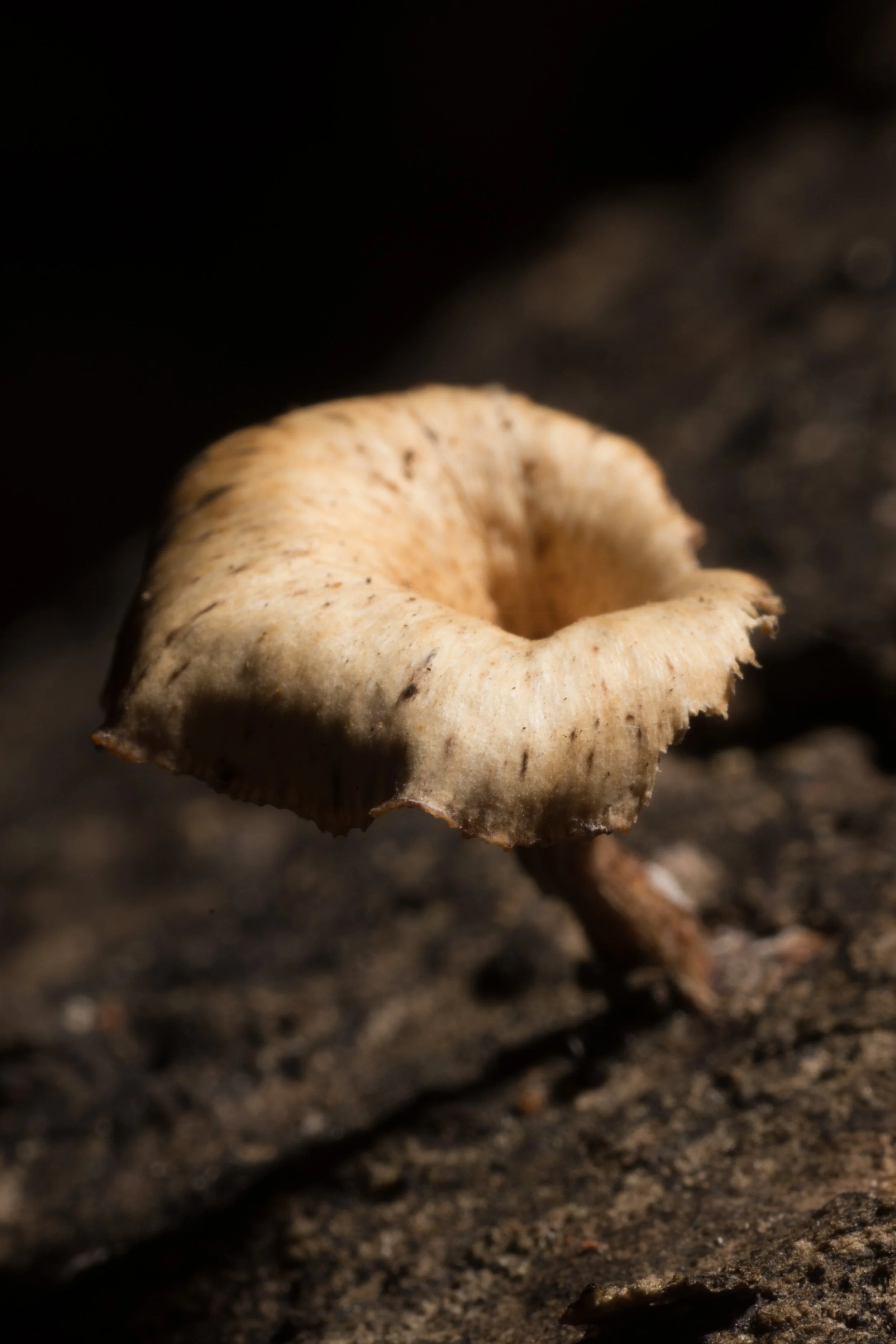
Aged Lentinoid (February 2022)
Limitations & CIELAB
Taking morphological measurements at the time would have been time-consuming, and we didn't mean it to be a proper foraging expedition so the best method we can do feeding into my brown blindness methodology was to take pictures and expound off the raws.
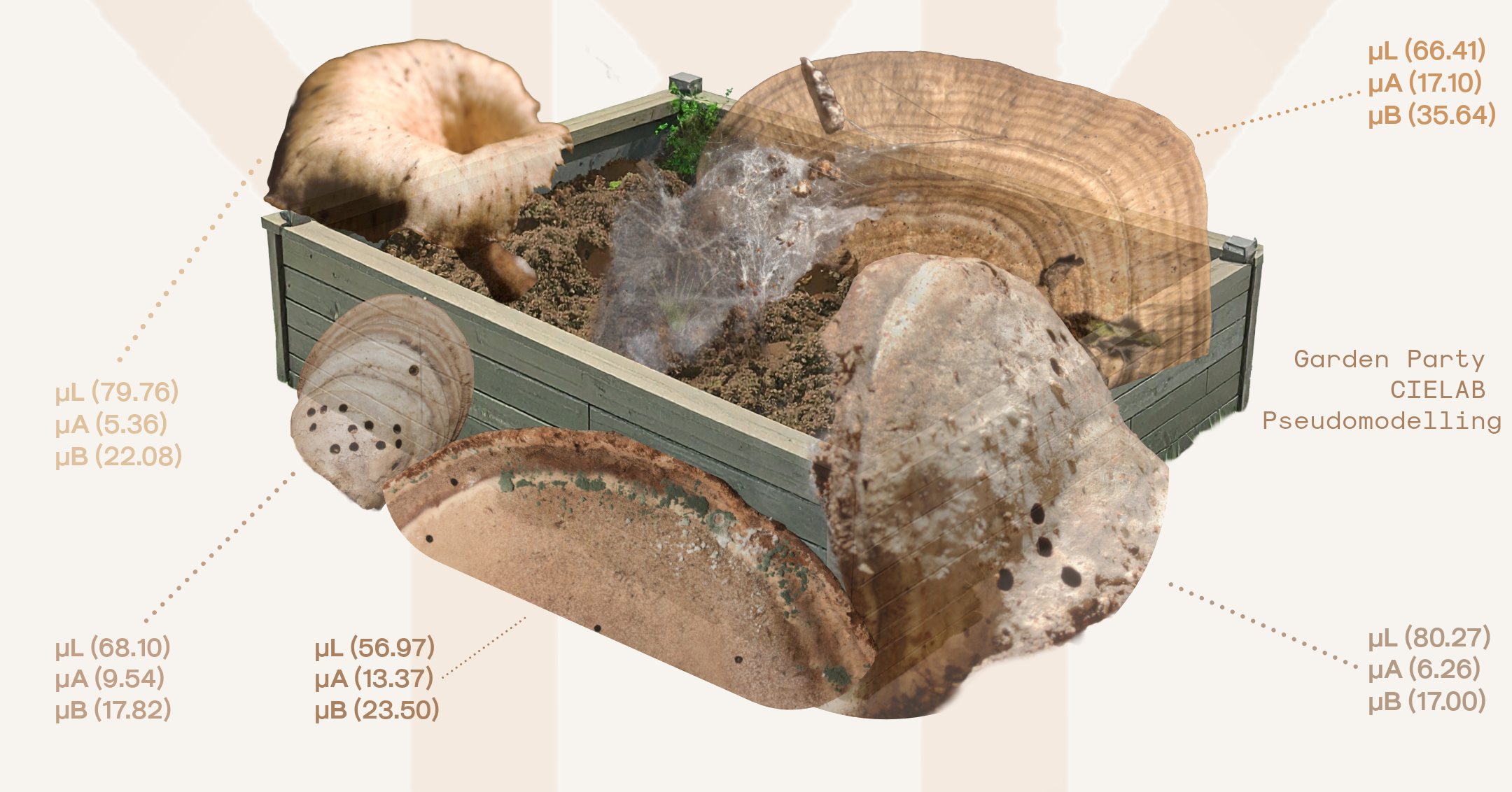
"Garden Party": CIELAB Pseudomodelling
Studies that analyze morphological traits of mushrooms tend to use CIELAB measurements. Ideally, I would have used a colorimeter but instead what was used was Trigit, a color signal quantifier published in Biosensors and Bioelectronics. The CIELAB format is based on opponent color theory which states that the human brain interprets visual input as the differences between light and dark, and between opposing pairs of colors (red/ green & blue/ yellow).
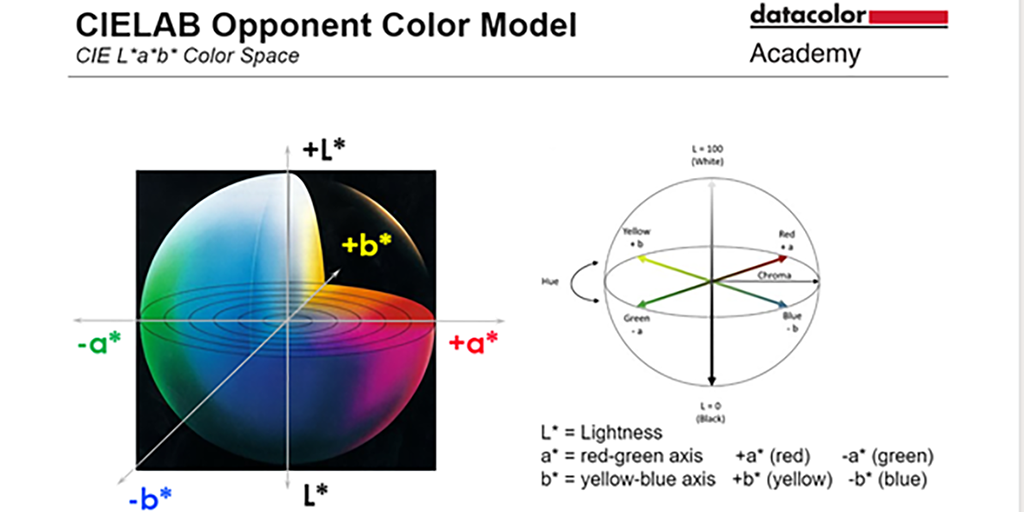
A color cannot be both red and green, or yellow and blue simultaneously. This is under the principle of color opposition correlation. Color indices would then be presented like this:
L Scale: Light vs Dark
Light (51-100) and Dark (0-50)
a Scale: Red (+) vs Green (-)
b Scale: Yellow (+) vs Blue (-)
Digital Futures
The dynamics of having this created third space always feels unnatural so it only makes sense that any notion of futurism becomes not a distant calculus but a quiet ritual; garden-tending for a preferred future. Maybe one where CIELAB codes become a fruiting body and chromatic language reveals an unseen divinity.
Or in the end it's just brown fungus. Rot and rebirth.